
The Toxoplasma gondii IgG & IgM Antibodies Rapid Test is a crucial diagnostic tool for veterinarians managing toxoplasmosis in dogs and cats. This disease, caused by the protozoan parasite Toxoplasma gondii, can lead to severe health complications in animals, especially those with compromised immune systems. The test is designed to quickly and accurately detect antibodies (IgG and IgM) against the parasite in blood samples, allowing for timely diagnosis and management.
Understanding Toxoplasmosis in Pets
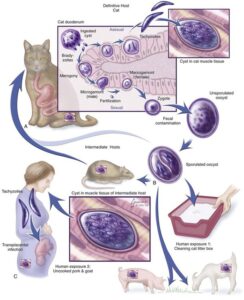
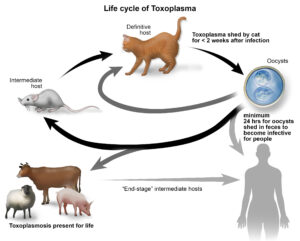
Toxoplasma gondii infects a wide range of warm-blooded animals, including pets like dogs and cats. Cats serve as the definitive host, where the parasite completes its life cycle. Infected cats can shed oocysts in their feces, which may pose risks to other animals and humans. The Centers for Disease Control and Prevention (CDC.gov) provides extensive information on the parasite’s lifecycle and transmission.
Features of the Rapid Test
- Dual Antibody Detection: The test detects both IgG and IgM antibodies, providing insights into the stage of infection. According to the National Institute of Health (NIH.gov), IgM antibodies indicate recent infections, while IgG antibodies signify past exposure.
- Rapid Results: Results are available within minutes, reducing the waiting time for diagnosis compared to conventional laboratory methods.
- Field Applicability: The test’s simplicity makes it ideal for field veterinarians and clinics without advanced laboratory facilities.
Significance of IgG and IgM Antibodies
IgG and IgM antibodies play distinct roles in immune responses. The U.S. National Library of Medicine (PubMed.gov) emphasizes their diagnostic importance. IgM antibodies are the first to appear after infection, while IgG antibodies provide long-term immunity. Their simultaneous detection enables a comprehensive understanding of the infection’s progression.
Testing and Procedure
The procedure involves:
- Collecting a small blood sample from the animal.
- Adding the sample to the test cassette, followed by a buffer solution.
- Reading the results after a few minutes.
For more detailed guidelines, refer to the U.S. Department of Agriculture (USDA.gov), which outlines standard practices for veterinary diagnostics.
Advantages Over Traditional Diagnostics
Traditional methods, such as serological testing and PCR, often require laboratory setups and extended processing times. This rapid test bypasses these challenges, as highlighted by the Food and Drug Administration (FDA.gov) in its recommendations for point-of-care diagnostic tools.
Risk Management and Zoonotic Potential
Toxoplasmosis is a zoonotic disease, meaning it can spread from animals to humans. The World Health Organization (WHO.int) states that pregnant women and immunocompromised individuals are particularly at risk. Veterinary rapid tests are therefore instrumental in controlling potential outbreaks.
Supporting Research and References
- Veterinary Insights: The American Veterinary Medical Association (AVMA.org) provides comprehensive resources on toxoplasmosis management in pets.
- Diagnostic Methods: Explore advanced testing techniques on the National Agricultural Library (NAL.usda.gov).
- Epidemiological Studies: Read about toxoplasmosis prevalence in animals at the National Institute for Allergy and Infectious Diseases (NIAID.NIH.gov).
Conclusion
The Toxoplasma gondii IgG & IgM Antibodies Rapid Test is a vital tool in veterinary medicine, facilitating quick diagnosis and treatment. Its widespread adoption can significantly reduce the risks associated with toxoplasmosis in pets and their owners. To learn more about the importance of diagnostics in veterinary practice, visit APHIS.usda.gov or CDC.gov.